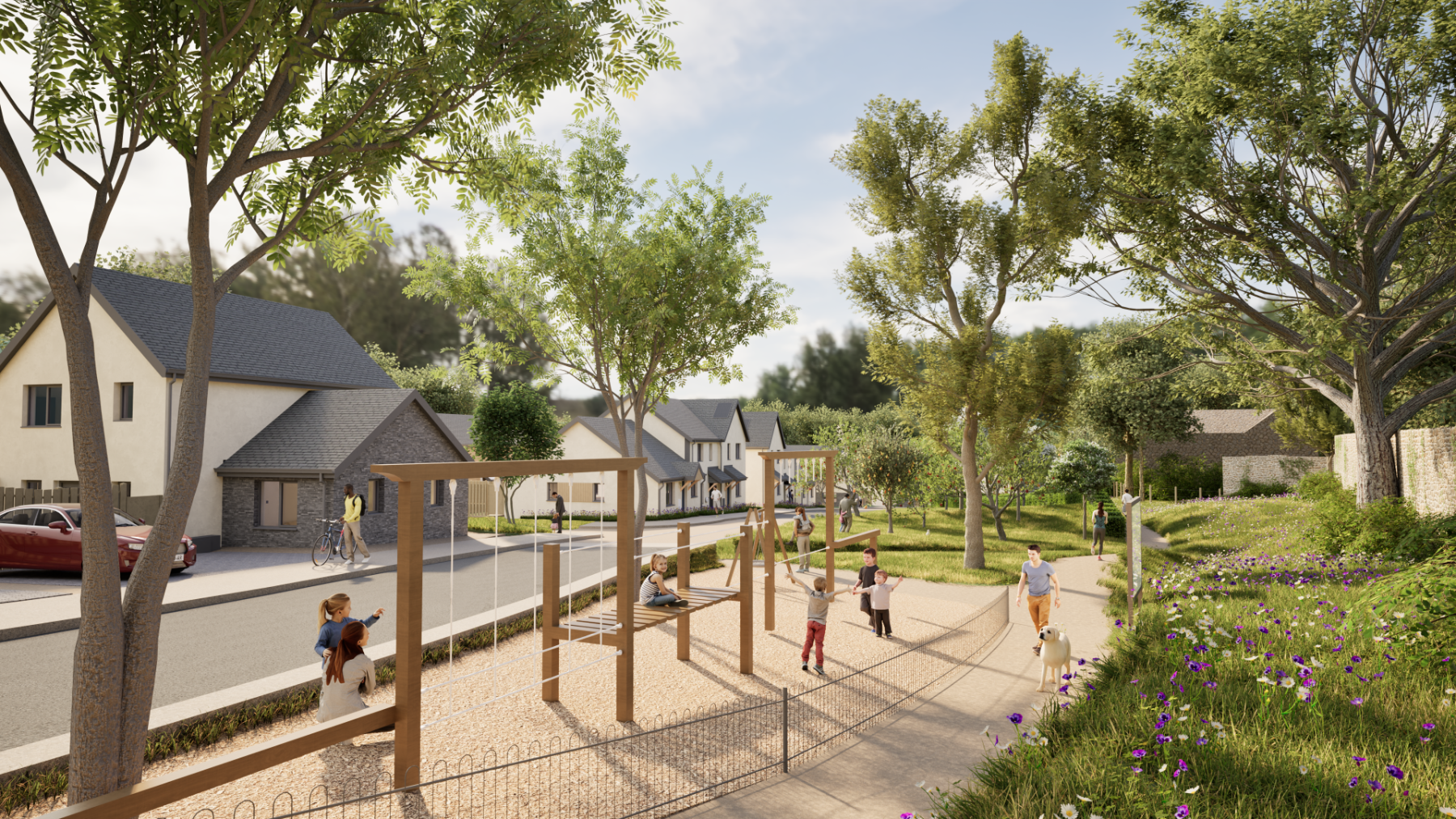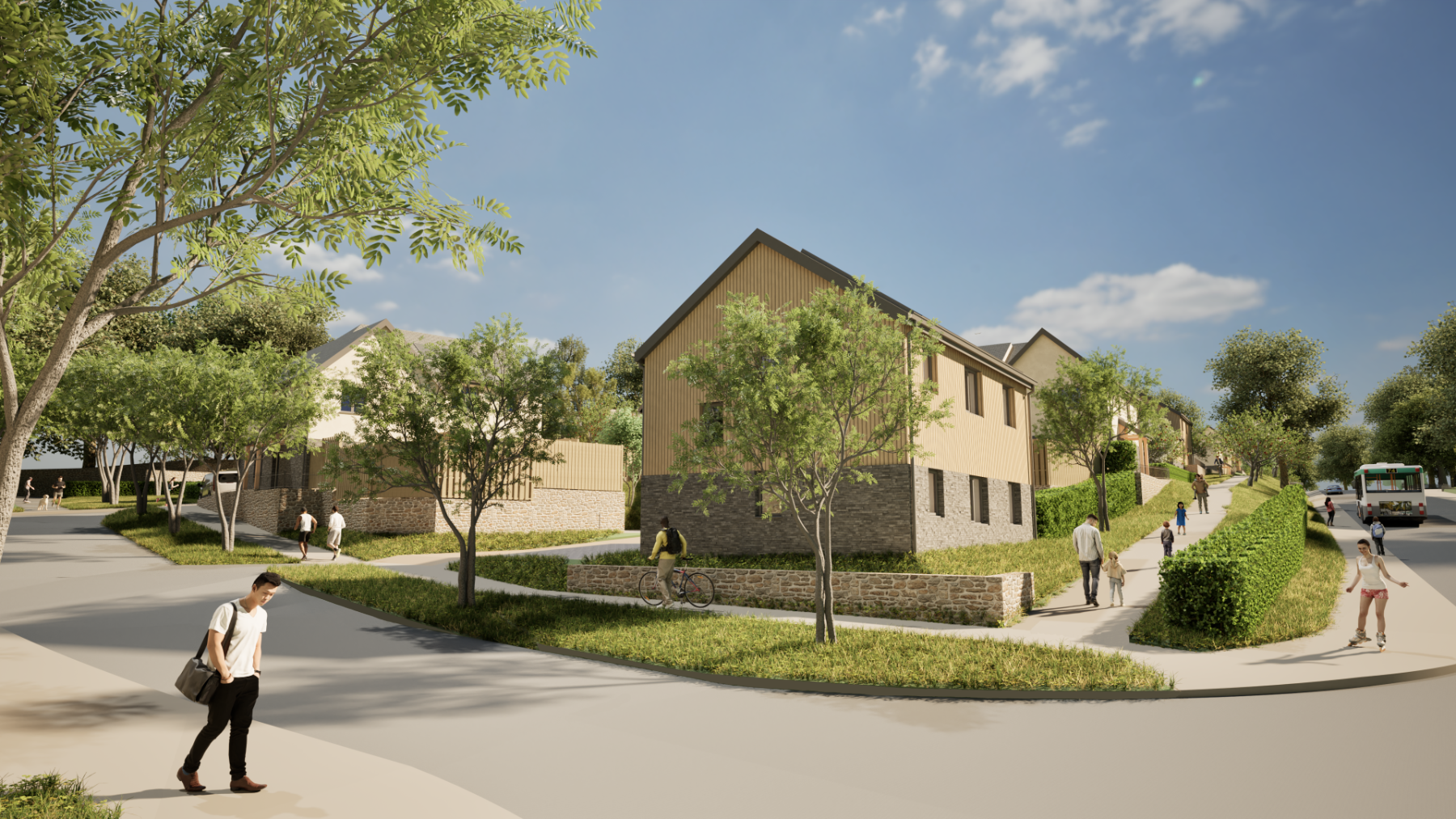
We are pleased to share that the residential development at Incline Fields, Bangor, has received planning approval. Working alongside Williams Homes (Bala) and Adra, the project will deliver 48 much-needed, 100% affordable homes, providing a diverse mix of houses, bungalows, and apartments designed to meet local housing demand.
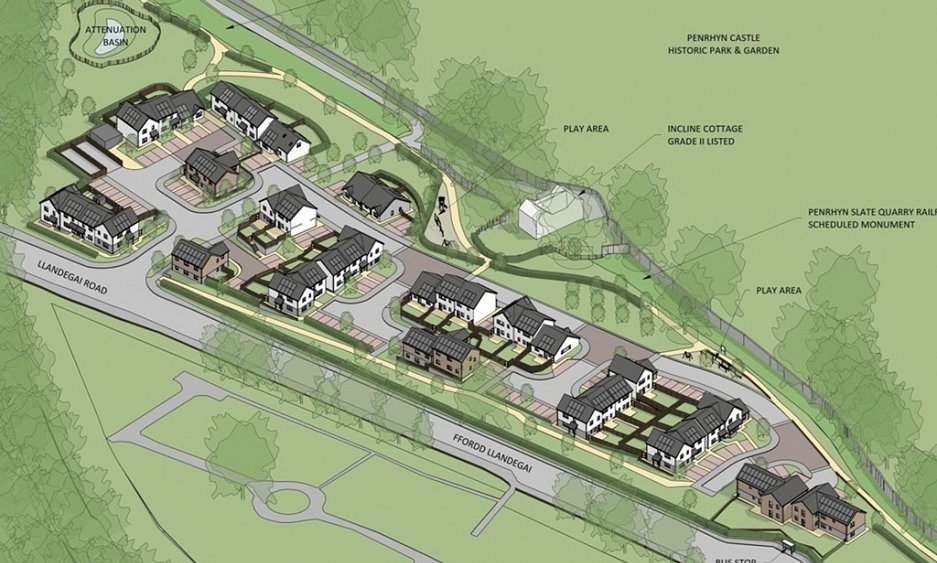
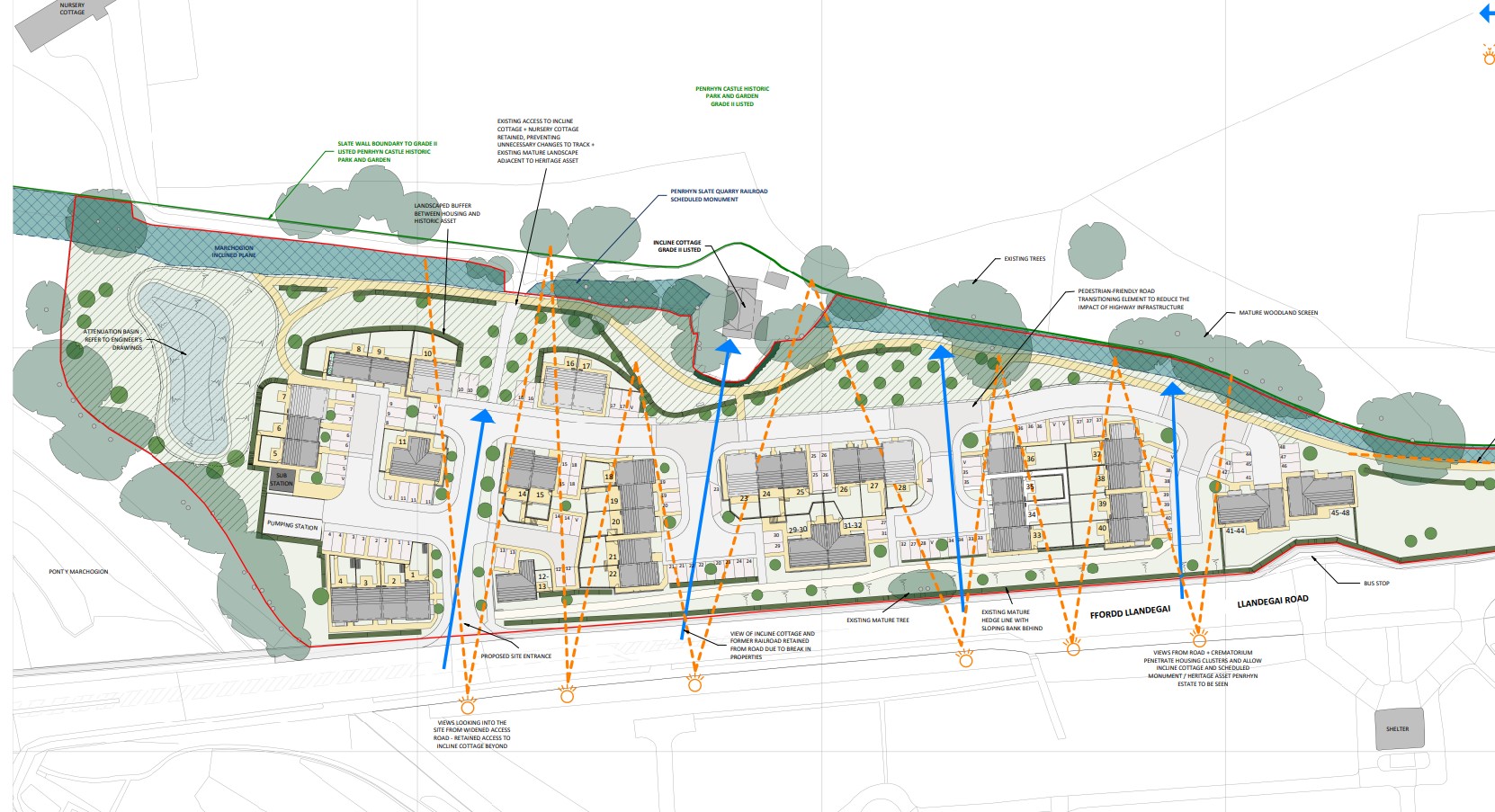
The site occupies a uniquely sensitive position on the eastern edge of Bangor, bordering the Grade II listed Incline Cottage and the Penrhyn Castle Historic Park and Garden. While situated just outside the Slate Landscape of Northwest Wales UNESCO World Heritage Site, the development sits within the Ogwen Valley Registered Historic Landscape. Our design approach was deeply influenced by this significant industrial context, specifically the site’s historical role in the transport of slate from the Penrhyn Quarry via the narrow-gauge railway system to Port Penrhyn.
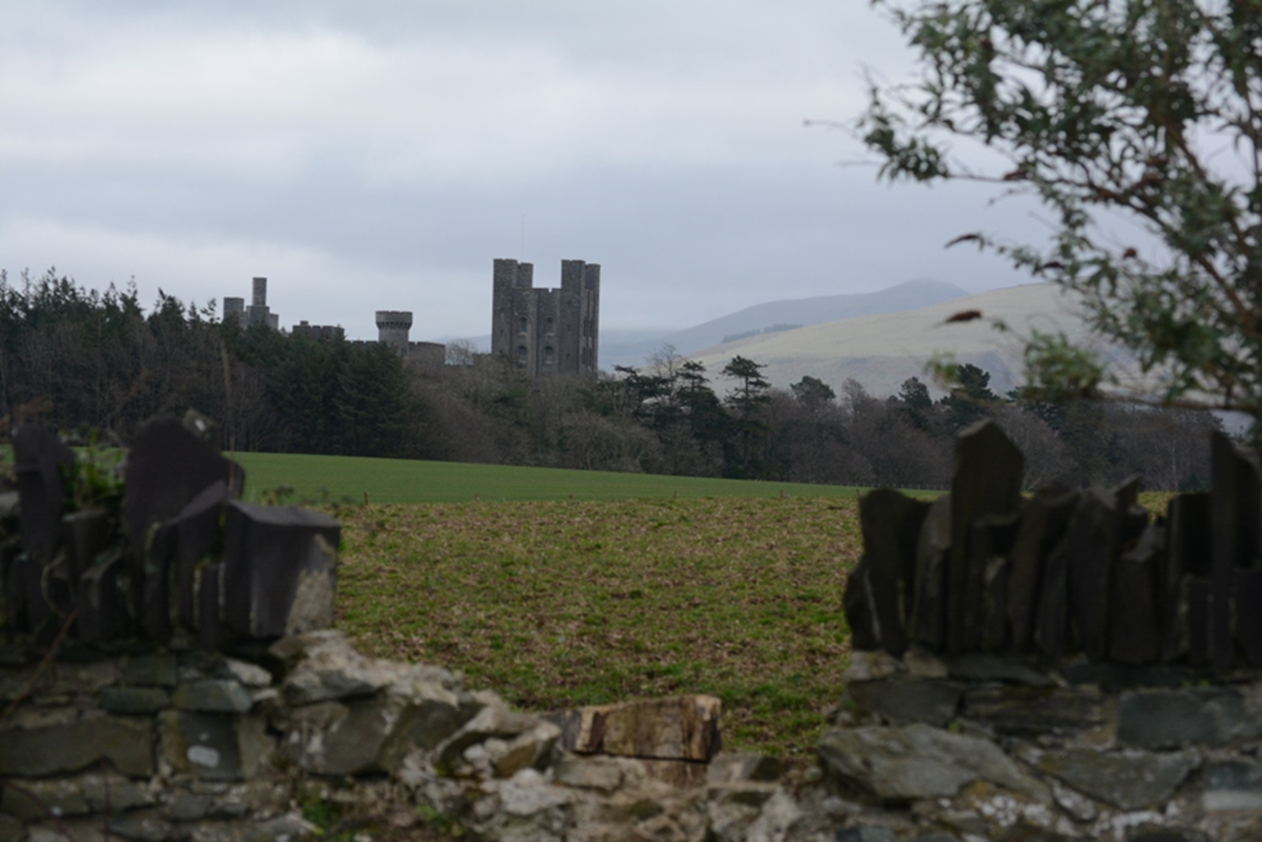
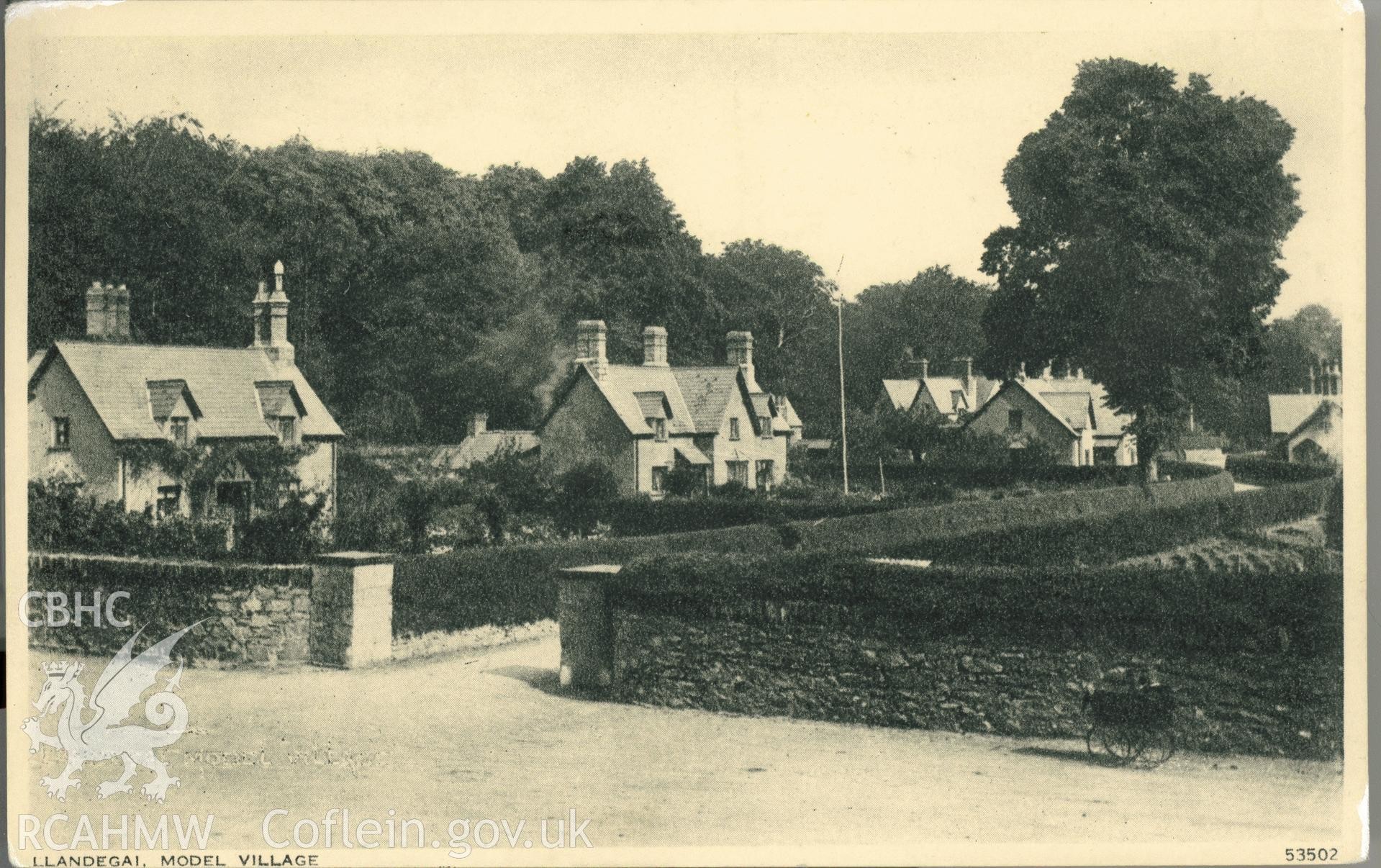
The masterplan takes direct cues from the layout of the local area—specifically the 19th-century model village of Llandygai. Built to house the workers of the 1st Baron Penrhyn, Llandygai is noted for its “Picturesque ideal” and varied arrangement of homes, offering a mix of detached, semi-detached, and conjoined groupings.
While Incline Fields is a modern development reflecting contemporary construction methods, the layout follows a similar logic; houses are arranged in clusters and smaller groupings tailored to the linear site parameters and adjacent heritage assets. This avoids rigid, uniform rows in favour of an organic streetscape that respects the prominence of Incline Cottage.
The cottage itself sits elevated on the topography of the incline, and its visual significance is maintained through deferential massing. By orchestrating a mix of one and two-storey dwellings, the development frames and preserves key views towards both the cottage and the Marchogion Incline Plane from the A5, ensuring a harmonious relationship between the new community and its historic surroundings.
Sustainability and social value are at the core of the proposal. The homes are designed with a fabric-first approach, utilising sustainable timber-frame construction to ensure high levels of energy efficiency and a low carbon footprint. The masterplan further incorporates and enhances public access to the Scheduled Monuments on site, celebrating the Ogwen Valley’s industrial heritage while improving pedestrian connectivity for the wider community.
We look forward to seeing the project progress as it transforms this vacant land into a vibrant and sustainable community that honours its historical context.